
Shan is a Network Infrastructure Consultant with 12+ years of experience working across Saudi Arabia. He has managed over 1,000 structured cabling and server rack projects in Riyadh, Jeddah, and Dammam. This work helps businesses create stable and scalable IT networks. It also aligns with Saudi Arabia’s digital transformation goals under Vision 2030.
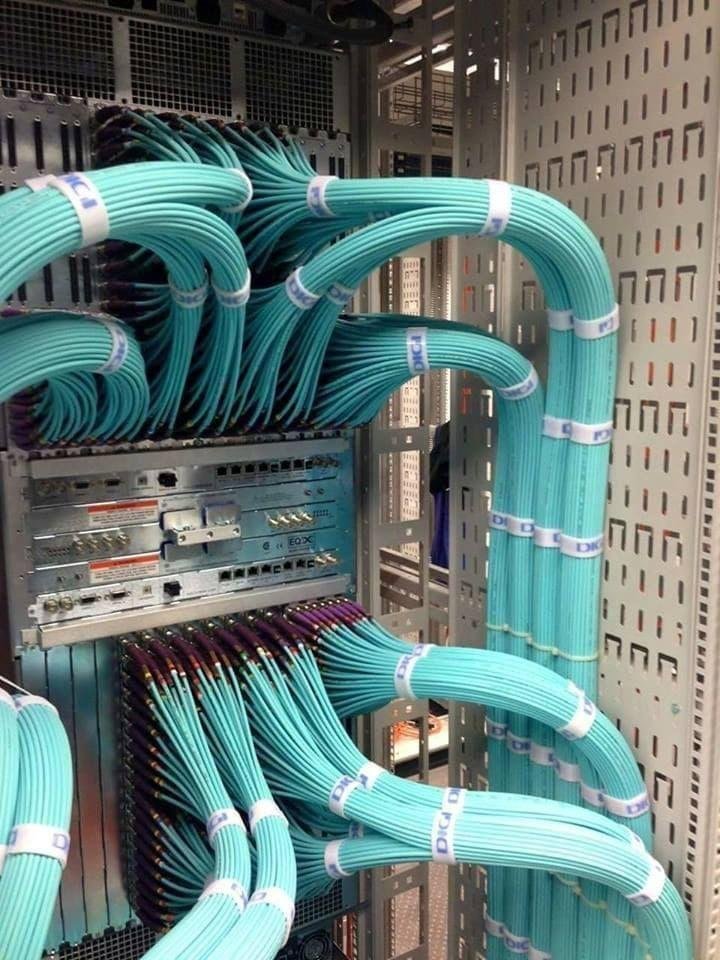
Network rack cabling Saudi Arabia means setting up networking gear. This includes switches, patch panels, routers, and cables in a server rack. The goal is to build a stable and organized IT system for businesses.
In simple terms, it is the internal backbone of your office network. Poor rack cabling can slow down your internet, even with high-speed service. It can lead to downtime and unstable connections.
In cities like Riyadh, many companies face network issues. This happens not because of their internet provider, but due to messy internal cabling systems.
A properly designed rack ensures:
Stable internet performance
Easy future expansion
Reduced downtime
Better cable management
A professional rack system includes:
Patch panels (cable termination points)
Network switches (traffic control)
Routers (internet gateway)
Cable managers
UPS power backup systems
In cities like Dammam and Jeddah, businesses often confuse electrical wiring. They also mix it up with data cabling. This leads to interference and unstable performance.
Most modern setups follow global standards like ANSI/TIA-568 and ISO/IEC 11801. This ensures speed, safety, and scalability.
Big brands like Cisco and Ubiquiti recommend a structured rack design. Do this before you upgrade your hardware.
Network rack cabling in Saudi Arabia follows strict guidelines from:
Communications, Space & Technology Commission
Saudi Standards, Metrology and Quality Organization
Ministry of Communications and Information Technology
These organizations ensure:
Safe installation practices
Proper cable separation from power lines
Compliance with building safety codes
Structured cabling certification requirements
Saudi Arabia follows global standards. One of these is ISO/IEC 11801. This standard is for enterprise networking systems.
Non-compliant installations can lead to rework costs, penalties, or system failure during inspections.
We analyze office size, users, and equipment needs.
Planning where each device will be installed inside the rack.
Running Cat6 or Cat6A cables through structured pathways.
Connecting cables to patch panels and labeling each port clearly.
Setting up VLANs and optimizing network traffic.
Checking speed, connectivity, and stability.
Creating rack diagrams for future maintenance.
Most delays occur when businesses skip proper labeling, making future upgrades difficult.
A company in Riyadh was facing constant network downtime and CCTV lag despite having a high-speed internet connection.
The issue was their poorly organized rack system with mixed cables and no labeling.
After redesigning the system:
Downtime reduced by 90%
Network speed improved significantly
CCTV streaming became stable
Total cost: SAR 18,500 Time taken: 6 days
The biggest improvement was not just speed—but long-term stability and easier maintenance.
Typical pricing in 2026:
Small office setup: SAR 3,000 – 7,000
Medium office: SAR 8,000 – 25,000
Enterprise systems: SAR 25,000 – 70,000+
Additional costs:
Cabling per meter: SAR 3–12
Patch panels: SAR 200–800
Network switches: SAR 500–5,000
UPS systems: SAR 1,000–4,000
Prices depend on office size, building structure, and number of devices.
Causes interference and unstable connections.
Makes maintenance extremely difficult.
Leads to random network failures.
A major issue in Saudi Arabia’s hot climate.
Not suitable for business environments.
Always leave extra space in the rack for future expansion
Use color-coded cables for departments
Install UPS backup systems
Document every connection
Schedule maintenance every 6–12 months
Avoid placing racks near heat sources
These small steps prevent major downtime later.
Fluke Network Testers
Schneider Electric rack systems
Cisco enterprise switches
Saudi CST compliance portal
UPS backup systems
Network design software tools
Network rack cabling organizes servers, switches, and patch panels in a dedicated rack. Beyond just “arranging gears,” it involves precise labeling, professional structured cabling in Saudi Arabia, and proper airflow management.
Why it matters: A neat rack stops “cable spaghetti.” It cuts downtime during maintenance and keeps hardware cool, which is crucial in Saudi Arabia’s heat. For more details, visit Shan Network.
How much does rack cabling cost in Saudi Arabia?
The cost typically ranges from SAR 3,000 to SAR 70,000+.
Price Factors: The final quote depends on the number of nodes, the category of cable used (Cat6 vs Cat6A), and the complexity of the building’s LAN network installation in Saudi Arabia. For projects in Jeddah, premium packages also include top-notch splicing and testing reports.
Why does office internet become slow even with high-speed fiber?
In most cases, the bottleneck is not the ISP (STC/Mobily/Zain) but the internal infrastructure.
**The Issue:** Packet loss occurs. This can be due to poorly crimped connectors. It can also happen from electromagnetic interference or outdated switches in the rack. If your rack is a mess, your 1Gbps connection might only deliver 100Mbps to the user’s desk.
Is Cat6 enough for offices in Saudi Arabia, or should we upgrade?
Cat6: Suitable for small offices (up to 1Gbps over short distances).
Cat6A/Fiber: Best for businesses that need 10Gbps speeds, HD CCTV, or heavy cloud use. We suggest Cat6A for future-proofing your investment.
How long does a typical installation take?
Usually 3 to 10 working days.
Timeline Breakup:
Day 1-2: Site survey and cable pulling.
Day 3-7: Rack dressing and termination.
Final Days: Fluke testing and labeling to meet international standards (TIA/EIA).
Do you provide CCTV integration with the network rack?
Yes. We design the rack to accommodate NVRs/VMS servers and PoE (Power over Ethernet) switches. This connects your security cameras and data network. They stay separate for better performance. This also improves security.
Can you handle building electrical works alongside networking?
Yes. We provide end-to-end infrastructure solutions at Shan Network. Our team handles UPS (Uninterruptible Power Supply) installation. We also set up dedicated electrical points for the server room. This keeps your equipment safe from power surges and outages.
Why should we choose a professional team for fiber splicing?
Fiber optic cables are fragile. Our specialized fiber optic solutions ensure minimal signal loss (dB loss). We use precise fusion splicers. Also, we provide a detailed test report. This ensures that your fiber backbone runs at peak capacity.
Do you offer AMC (Annual Maintenance Contracts) in Jeddah?
Yes. After our LAN network installation, we offer maintenance plans to periodically check cable health, clean the rack environment, and update network documentation so your business never faces unexpected downtime.
Saudi Arabia is rapidly upgrading digital infrastructure under Vision 2030. More businesses now require structured cabling compliance before opening offices.
Key trends include:
Growth of fiber-based networks
Smart office integrations
Higher demand for certified installers
Businesses with outdated rack systems will struggle to scale in the future.
Network rack cabling is the foundation of every stable business network in Saudi Arabia. Without proper structure, even the fastest internet connection will fail to deliver performance.
If you are facing slow internet, downtime, or expansion issues, your rack system is the first thing to check.
A good system speeds things up. It also lowers maintenance costs and keeps the business running smoothly.
Get the latest updates via email. Any time you may unsubscribe.