
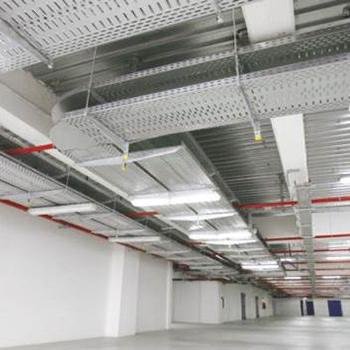
Hospital network infrastructure in Saudi Arabia is the IT system for hospitals. It connects all parts. This includes patient records, medical devices, CCTV, lab systems, and communication networks. Together, they make a safe and reliable network.
In Saudi Arabia, hospital network projects cost between SAR 80,000 and over SAR 1,000,000. The price depends on a few factors. These factors are important. They include the hospital’s size. They also cover the number of departments, fiber backbone needs, and cybersecurity standards.
From my time with healthcare facilities in Riyadh, Jeddah, and Dammam, I learned something important. The biggest challenge isn’t medical equipment. It’s network reliability. Even a few seconds of downtime in hospital systems can affect patient care, lab results, or emergency response systems.
This guide explains hospital network infrastructure. It covers Saudi regulations and step-by-step setup. You’ll find costs in SAR, real case studies, and common mistakes to avoid.
About the Author
Muhammad Shan is an IT infrastructure consultant. He has over 8 years of experience. He specializes in designing hospital and enterprise network systems in Saudi Arabia. He has worked on healthcare IT projects. These include LAN and WAN systems. Through his work at Shan Network Company, he has successfully delivered complex healthcare IT projects.
Expertise includes:
Hospital network infrastructure design
Fiber optic backbone deployment
Medical device connectivity
Secure hospital cybersecurity architecture
The hospital network infrastructure in Saudi Arabia connects all digital operations. It is the backbone of the IT system.
It includes:
Internal hospital LAN networks
Fiber optic backbone systems
Server rooms and data centers
Medical device connectivity systems
CCTV surveillance networks
Patient management systems (HIS)
Laboratory information systems (LIS)
PACS imaging systems
WiFi access points for staff and patients
Think of it as the nervous system of a hospital.
Every department depends on it:
Emergency rooms need instant access to patient records
Laboratories need real-time test results
Pharmacies need prescription verification
Doctors need imaging systems (X-ray, MRI, CT scan)
In Saudi Arabia, cities like Riyadh and Jeddah have hospitals that are digital. These hospitals are fully digital healthcare centers now.
Many hospital leaders don’t realize this. Network downtime can be a big issue. Even a few minutes can delay diagnosis and treatment.
For example, I worked with a hospital in Dammam where a minor network failure delayed lab report access across three departments. The issue was not medical—it was a misconfigured network switch.
Saudi Arabia’s healthcare is changing quickly. Vision 2030 drives this change. It focuses on digital transformation and smart hospitals.
Modern hospitals rely heavily on:
Electronic Health Records (EHR)
AI-assisted diagnostics
Remote consultations (telemedicine)
Cloud-based medical systems
Without strong network infrastructure, none of these systems function properly.
Key challenges in Saudi hospitals include:
High patient volume in Riyadh and Makkah hospitals
Real-time data requirements in emergency units
Large-scale imaging data transfer (MRI, CT scans)
Multi-floor hospital connectivity
Strict cybersecurity requirements
And due to Saudi Arabia’s climate, hospital IT rooms must also manage heat-sensitive hardware operating continuously 24/7.
Hospital network infrastructure saudi arabia must comply with strict national healthcare and IT regulations.
Key authorities include:
Ministry of Health (MOH) Saudi Arabia https://www.moh.gov.sa
Communications, Space & Technology Commission (CST) https://www.cst.gov.sa/en
Saudi Health Council standards
Saudi Standards, Metrology and Quality Organization (SASO) https://www.saso.gov.sa
Healthcare IT systems must also follow:
HIPAA-inspired data protection principles
ISO 27001 information security standards
Medical device integration compliance rules
Hospitals are required to ensure:
Patient data privacy protection
Secure access control systems
Encrypted communication channels
Backup and disaster recovery systems
Since 2025, Saudi hospitals have used stricter cybersecurity rules. They made this choice because digital healthcare threats keep rising.
This phase identifies all hospital departments and digital systems.
Includes:
Number of beds
Number of departments
Medical equipment integration
Imaging systems (PACS)
Laboratory systems
Staff and patient network needs
A small private clinic is very different from a 500-bed hospital in Riyadh.
Design includes:
Core hospital backbone (fiber optic)
Department-level LAN networks
VLAN segmentation (patient/staff/admin separation)
Redundant routing systems
Data center integration
Hospitals usually require multi-layer redundancy to prevent downtime. Implementing WAN Network Solutions in Saudi Arabia is key during this phase. It securely connects remote clinics and wings to the main data center.
Facilities upgrading their structures need certified Structured Cabling in Saudi Arabia. It gives a strong backbone for medical device networking. It also handles heavy PACS data transfers.
Hospitals use a mix of:
Cat6A structured cabling
Fiber optic backbone systems
Shielded cabling for medical environments
Installation includes:
Floor-wise cabling
Emergency system routing
Equipment room connectivity
Medical device networking
Hospital server rooms include:
Core switches
Firewalls
Storage systems
Backup servers
Cooling systems
UPS power systems
In Saudi hospitals, cooling systems are critical due to extreme heat conditions. Organizing hardware in server rooms needs careful Network Rack Cabling in Saudi Arabia. This keeps things tidy. It also helps airflow. Also, professional Patch Panel Installation in Saudi Arabia gives you clean, labeled points. This makes it easier to find problems. It cuts down on troubleshooting time during maintenance.
All data is transferred to centralized systems. A strong LAN network in Saudi Arabia boosts communication. It quickly sends data from machines to central databases.
Includes:
Firewall configuration
User authentication systems
Role-based access control
Encrypted data transfer
Patient data security is a top priority.
Before going live:
Network load testing
Failover testing
Device connectivity checks
Security validation
Even small errors can cause major disruptions in hospital environments.
A private hospital in Riyadh faced recurring issues with:
Delayed patient record access
Slow imaging system response
Network congestion in ICU
Initial setup lacked proper segmentation and fiber backbone design.
We redesigned their system with:
Fiber optic backbone across all floors
VLAN segmentation for departments
Dedicated medical device network
Upgraded core switches
Cost: SAR 320,000 Timeline: 6 weeks
Results:
70% faster data access
Zero ICU network delays
Improved imaging transfer speed
Stable 24/7 system uptime
A key issue found was that lab systems shared bandwidth with admin traffic. This caused delays during busy hours.
Technology
Use Case
Cost Range (SAR)
Performance
Cat6A LAN
Internal departments
80,000–250,000
High
Fiber Backbone
Multi-floor hospitals
200,000–600,000
Very High
Hybrid LAN/WAN
Large hospital groups
300,000–1,000,000+
Enterprise
Costs vary based on:
Hospital size
Number of departments
Medical systems integration
Cybersecurity requirements
Fiber backbone usage
As of 2026:
Hospital Type
Estimated Cost
Small Clinic
SAR 80,000–150,000
Private Hospital
SAR 150,000–500,000
Large Hospital
SAR 500,000–1,000,000+
Mixing patient, staff, and admin networks causes congestion.
Hospitals are high-value targets for cyber attacks.
Single point of failure can shut down critical services.
Leads to downtime and difficult maintenance.
Hospitals often expand departments over time.
Always use fiber backbone for hospitals
Separate medical and admin networks
Install redundant power systems
Use enterprise-grade firewalls
Maintain full documentation
Hospital network infrastructure has hardware and software. It connects clinical systems. It links departments. It also connects communication channels. It spans core routing switches, secure server rooms, medical-grade Wi-Fi, and IoT configurations. This specialized architecture handles heavy telemetry streams. It also manages PACS imaging data and Electronic Health Records. All of this is done without delay.
Capital deployment costs vary. They start at SAR 80,000 for local clinics. For large enterprise hospital data centers, costs can exceed SAR 1,000,000.
Final pricing mainly depends on:
The volume of edge networking equipment
Security firewall integrations
Required storage capacities
Hospitals updating their facilities can save money. Partnering with an IT asset liquidation service helps. They turn old hardware into cash. This reduces costs.
A strong network is vital for patient safety. It also ensures smooth operations and secure clinical decisions. It keeps emergency medical systems on all the time. Real-time life support and health databases never go down. Network segmentation keeps IoMT (Internet of Medical Things) devices away from public areas. This keeps the hospital floor safe from cyber threats.
A strong network is vital. It ensures patient safety. It also supports smooth operations and secure clinical decisions. It makes sure emergency medical systems are always available. Life support telemetry and health databases also stay accessible. There is no downtime at all. Strong network segmentation protects IoMT (Internet of Medical Things) devices. It keeps them out of public areas. This protects the hospital floor from cyber threats.
Small clinics take 2–3 weeks, while large hospitals may take several months.
Future Trends
Saudi healthcare is moving toward:
Smart hospitals
AI-powered diagnostics
Cloud-based medical records
Fully integrated IoT medical devices
Zero-trust cybersecurity models
Hospital network infrastructure is becoming more advanced and critical than ever before.
Final Thoughts
Hospital network infrastructure is the backbone of modern healthcare in Saudi Arabia.
Without it, even the most advanced medical equipment cannot function efficiently.
Hospitals in Riyadh, Jeddah, or Dammam need a strong network system. It must be scalable and secure. This is essential for patient safety. It also helps with operational success.
Get the latest updates via email. Any time you may unsubscribe.